
Low back pain
Lumbar back pain
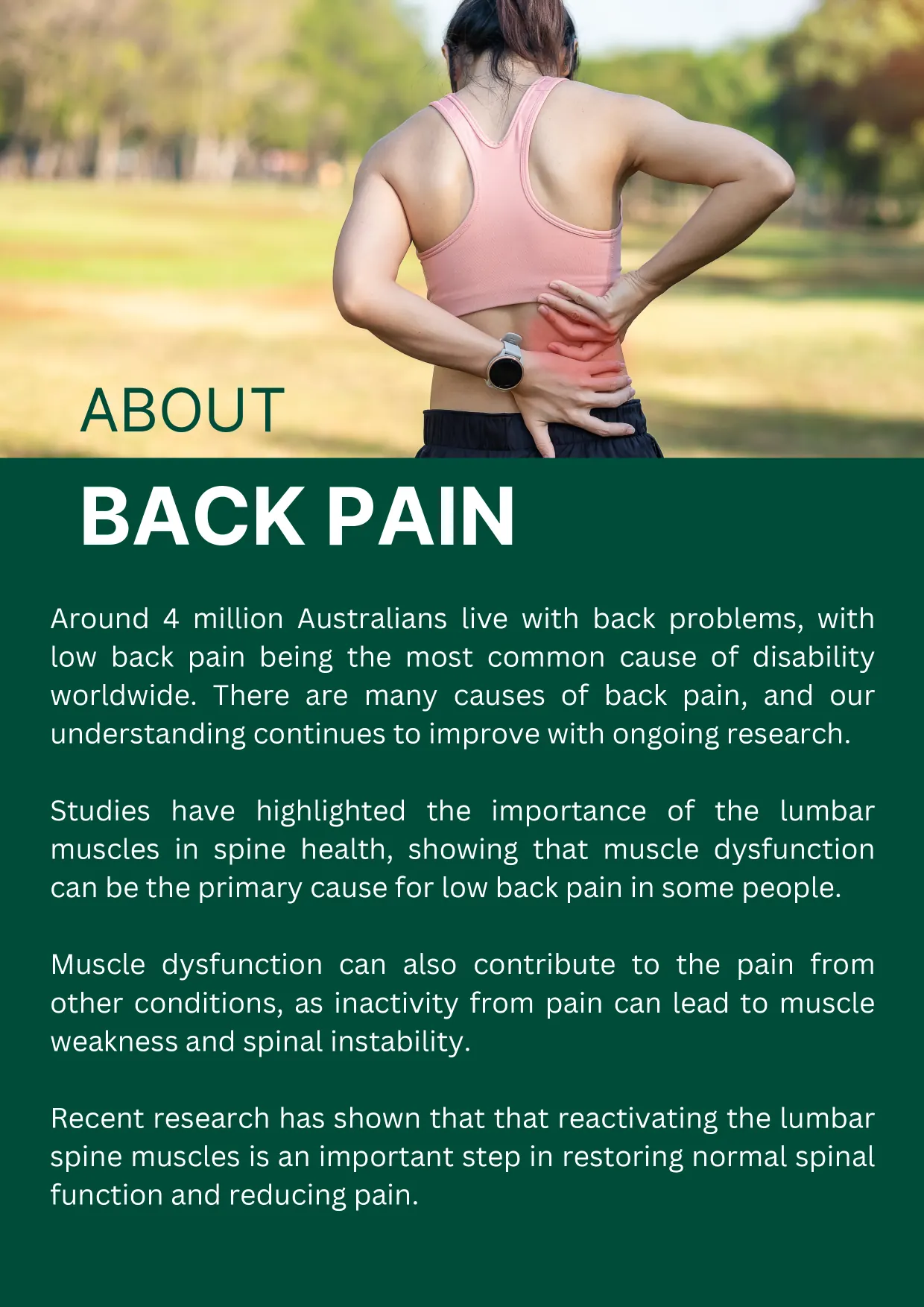
Most back pain improves with time, rehabilitation and pain management. Surgery is reserved for the small number of people in whom these measures fail and where there is a clear surgically treatable cause.
Results
141 fusions for back pain, 2018 to 2024
Data to December 2024
- Improved 75%
- No change 21%
- Worse 4%
- Improved 82%
- No change 13%
- Worse 5%
Treatment
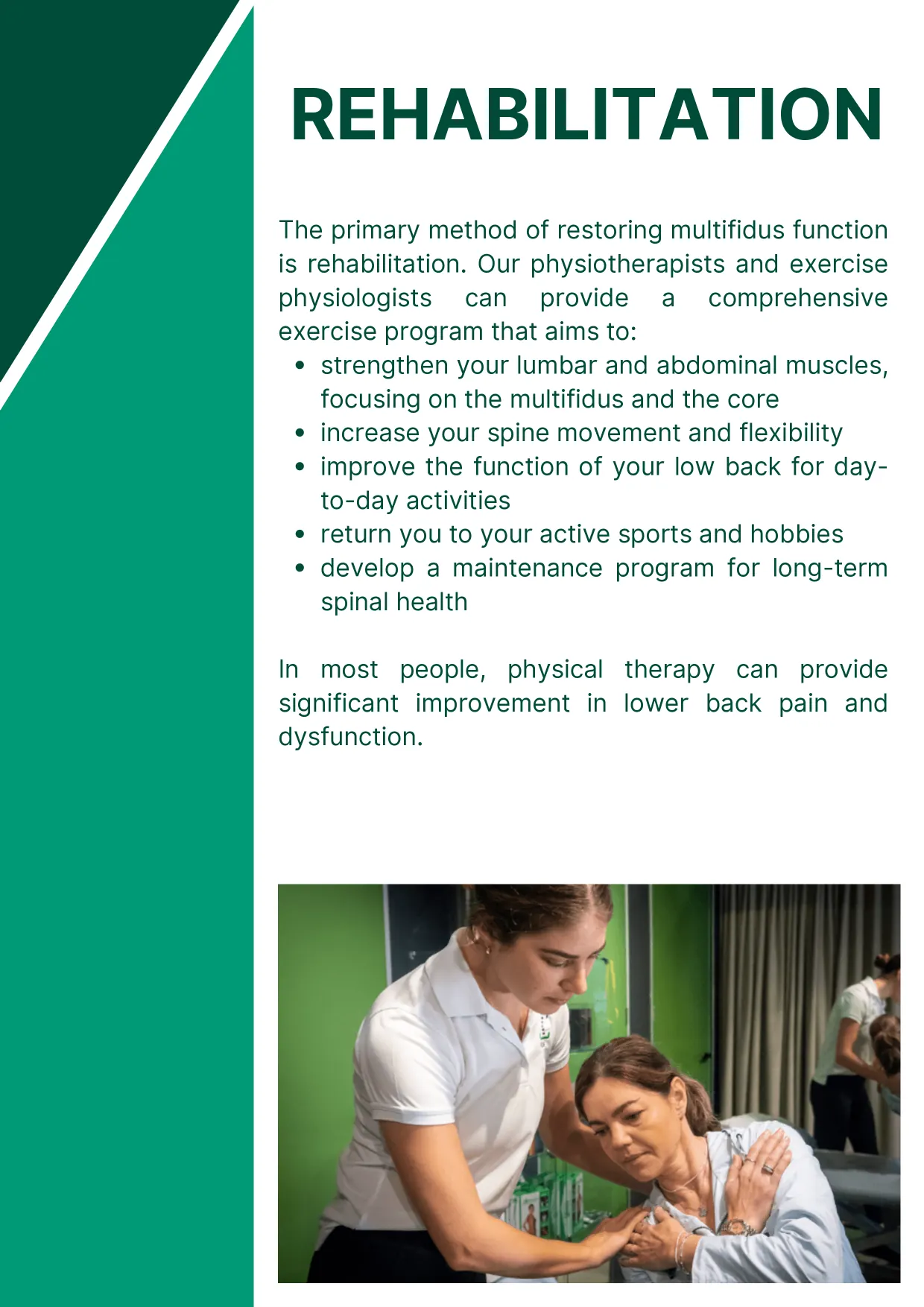
Most back pain improves with time and an active rehabilitation programme designed to restore strength, movement and confidence. Pain management, including epidural steroid injections where appropriate, can ease symptoms while rehabilitation takes effect. Surgery is considered only for the small number of people in whom these measures fail and where a clear surgically treatable cause has been found. In those cases, a fusion stabilises the painful segment, and recovery continues with a tailored rehabilitation programme at BackSpace.
Technology used
The worn disc is replaced with a titanium interbody spacer, and pedicle screws are inserted with the assistance of the Loop-X robotic scanner and Curve navigation, which track each screw on a 3D scan as it is placed and confirm its position before the operation ends.




Scroll to read the ReActiv8 booklet. Download the booklet (PDF, 3.5 MB)
A newer option
Restorative neurostimulation
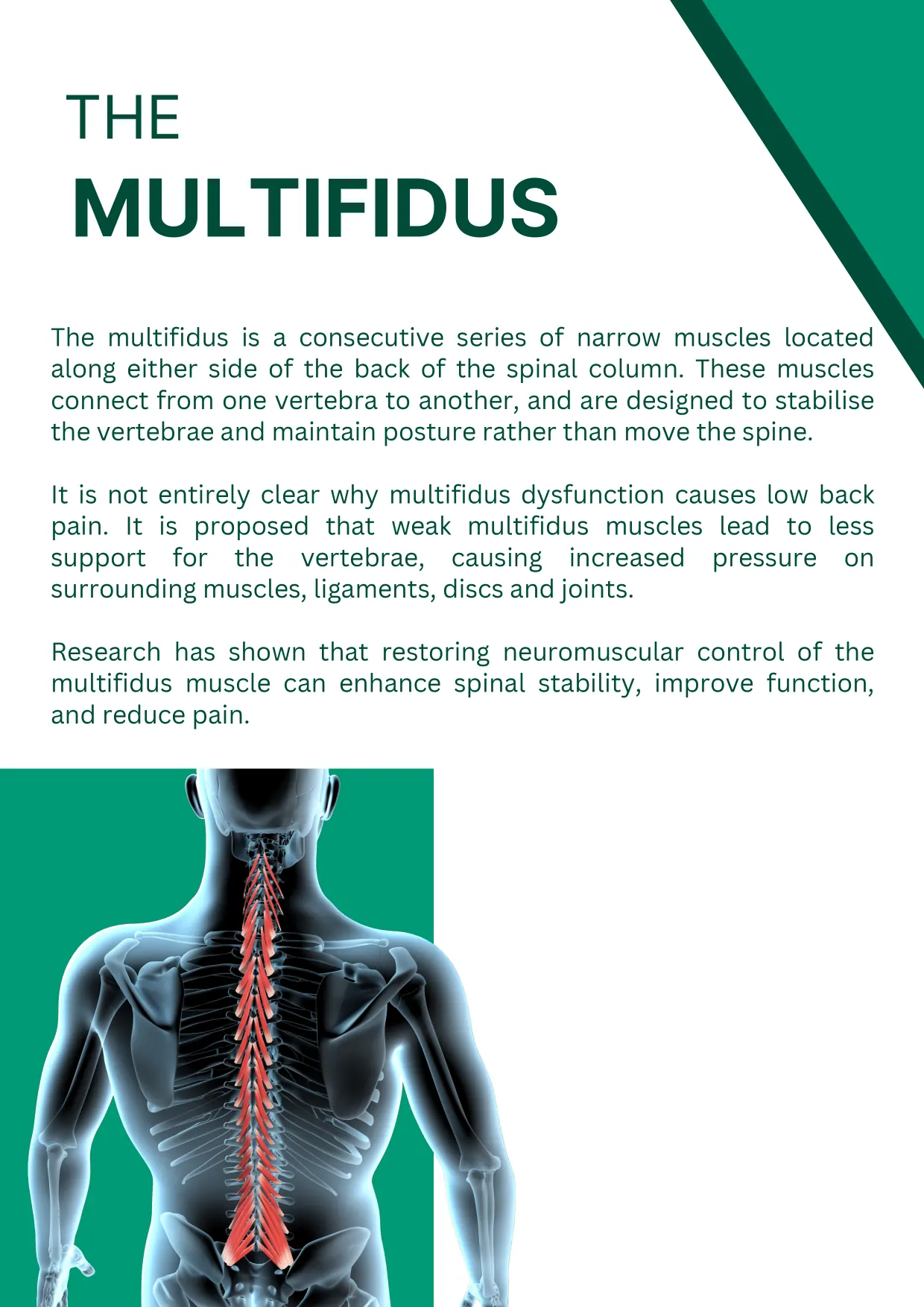
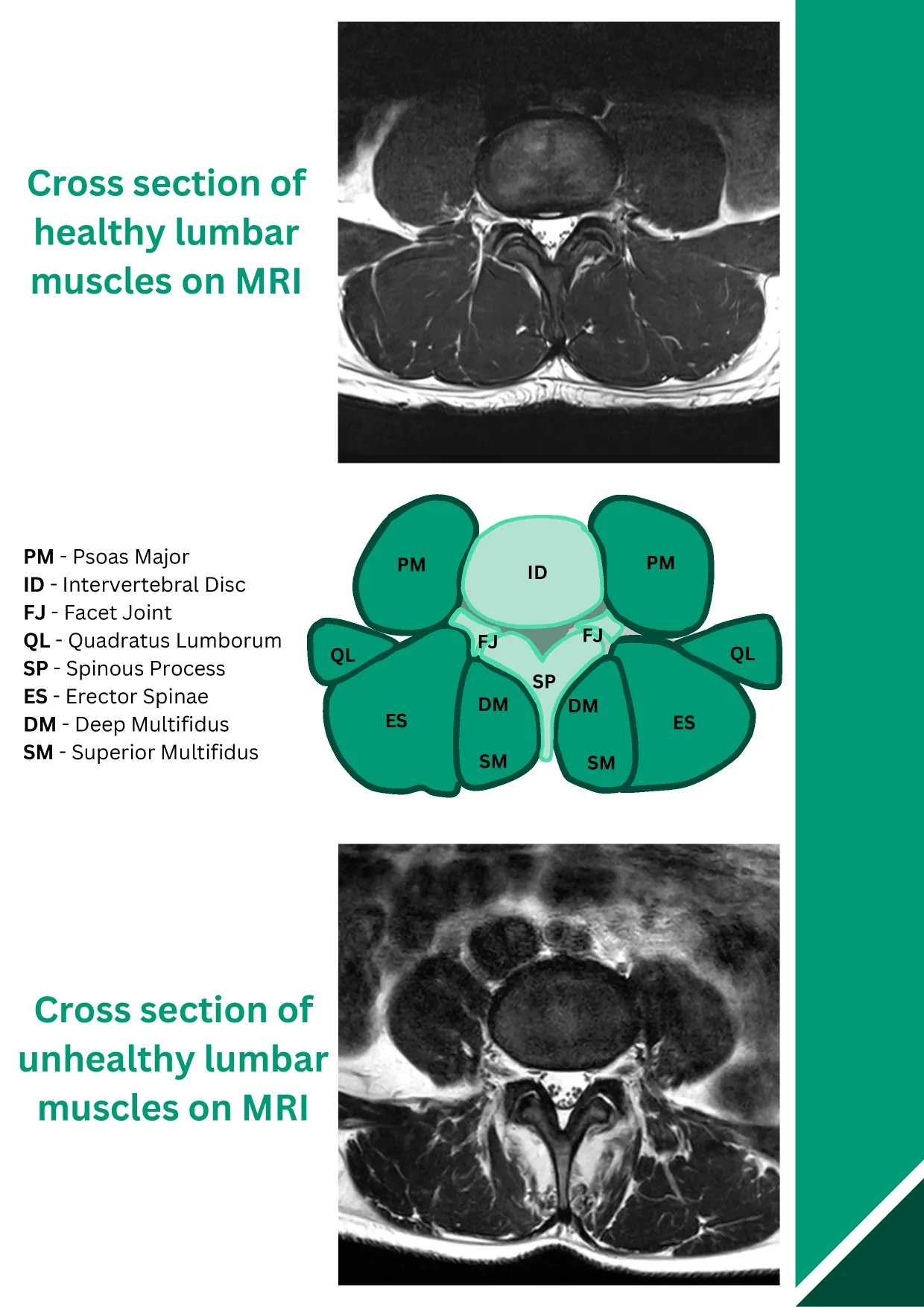
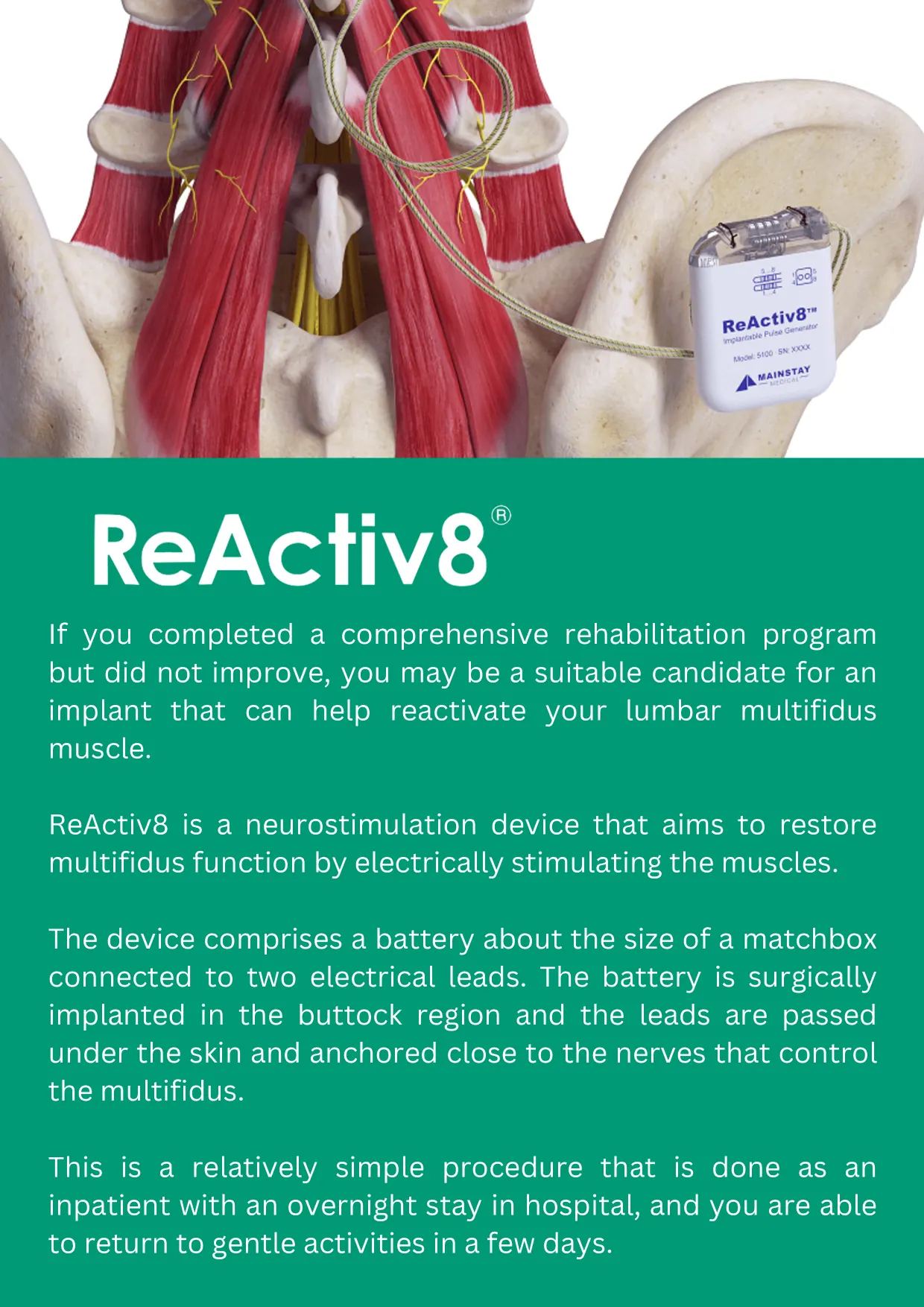
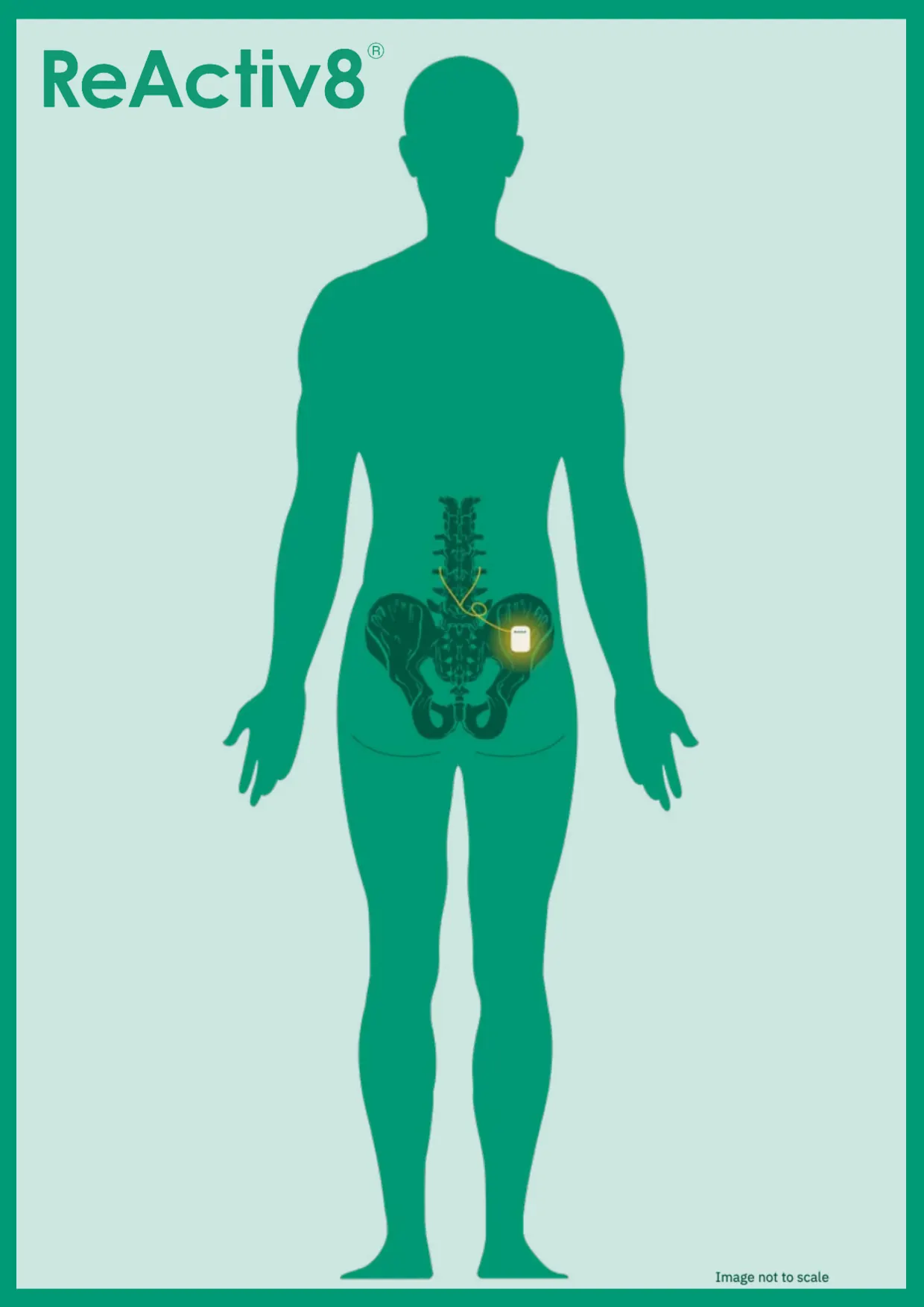
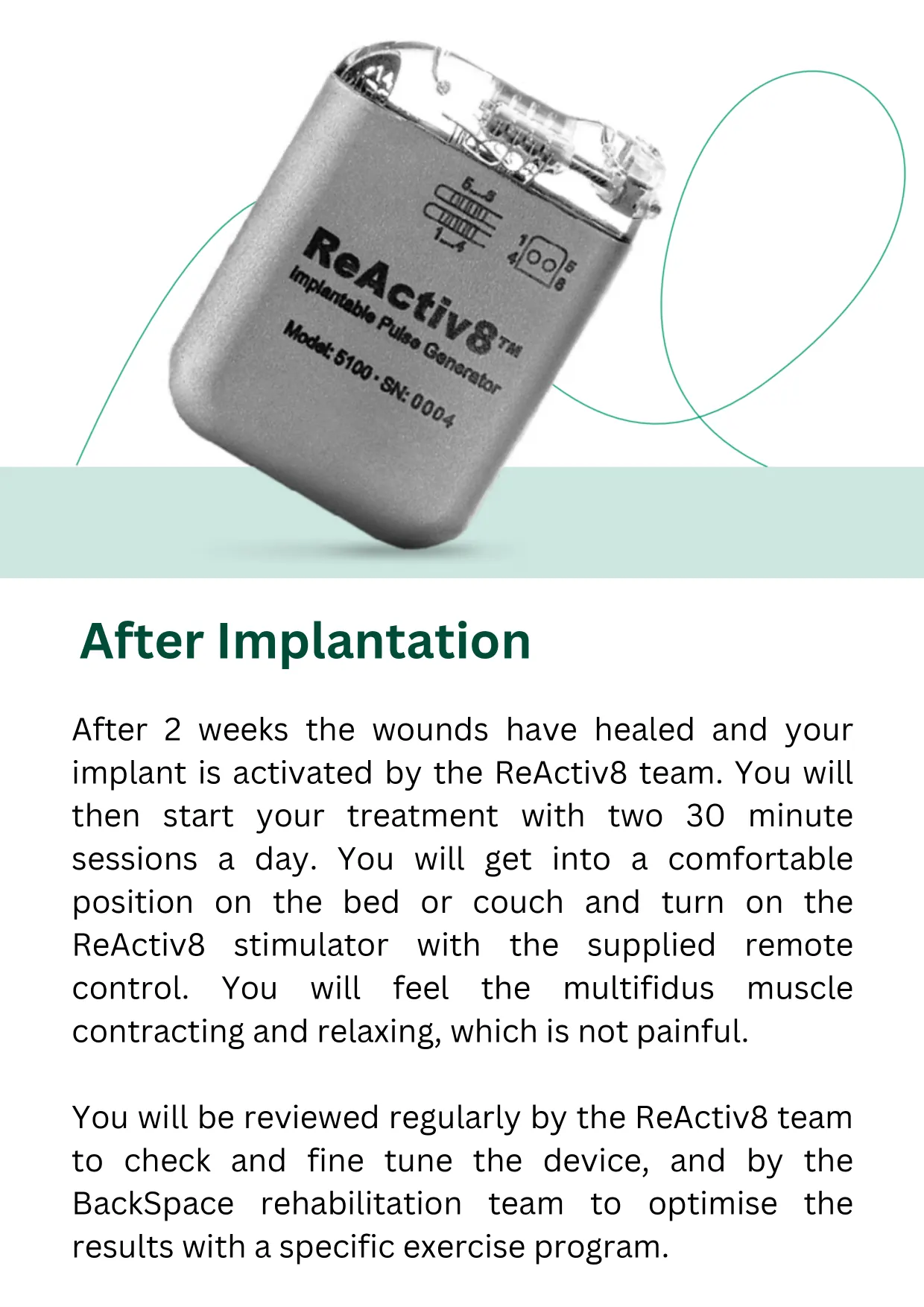
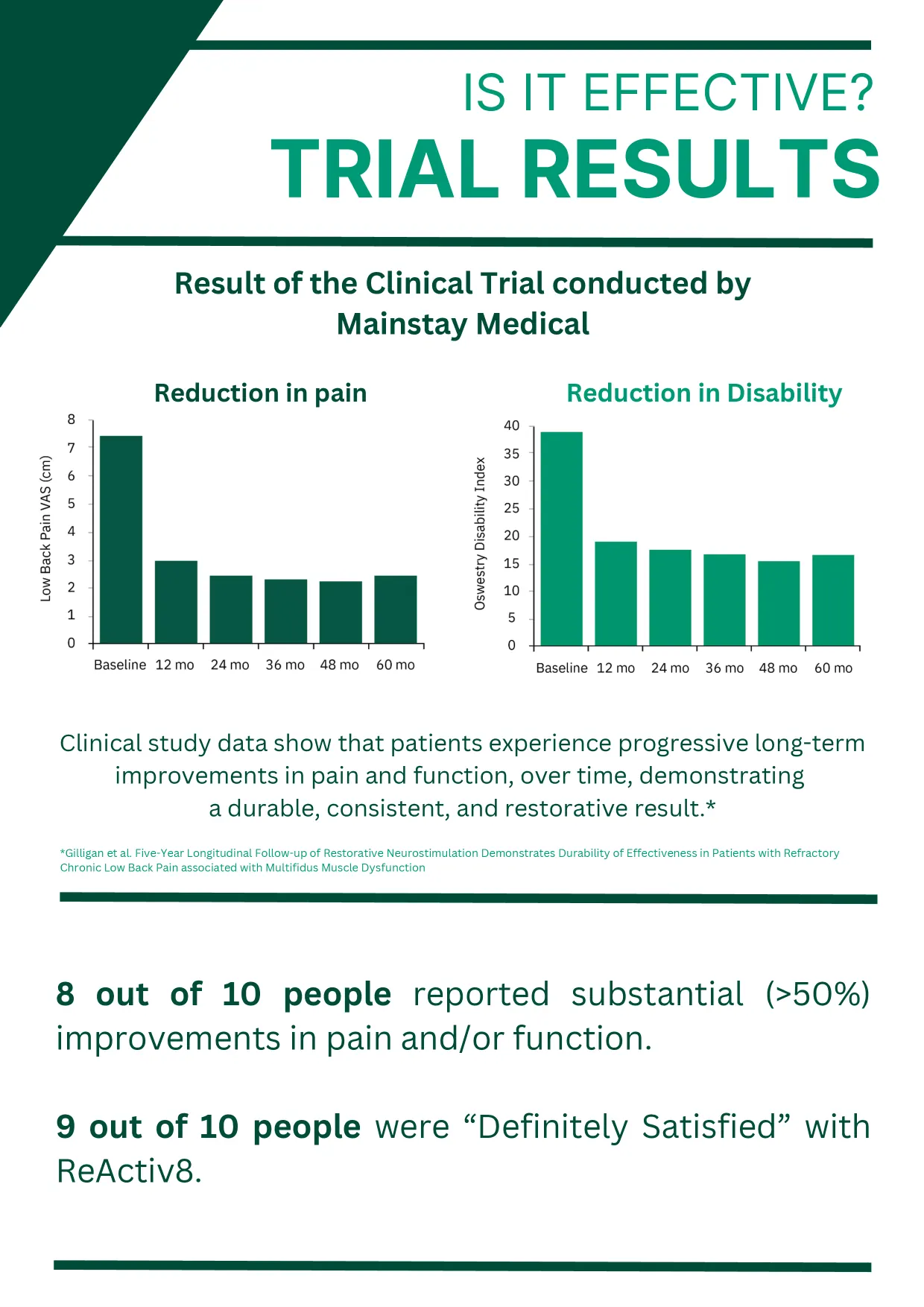
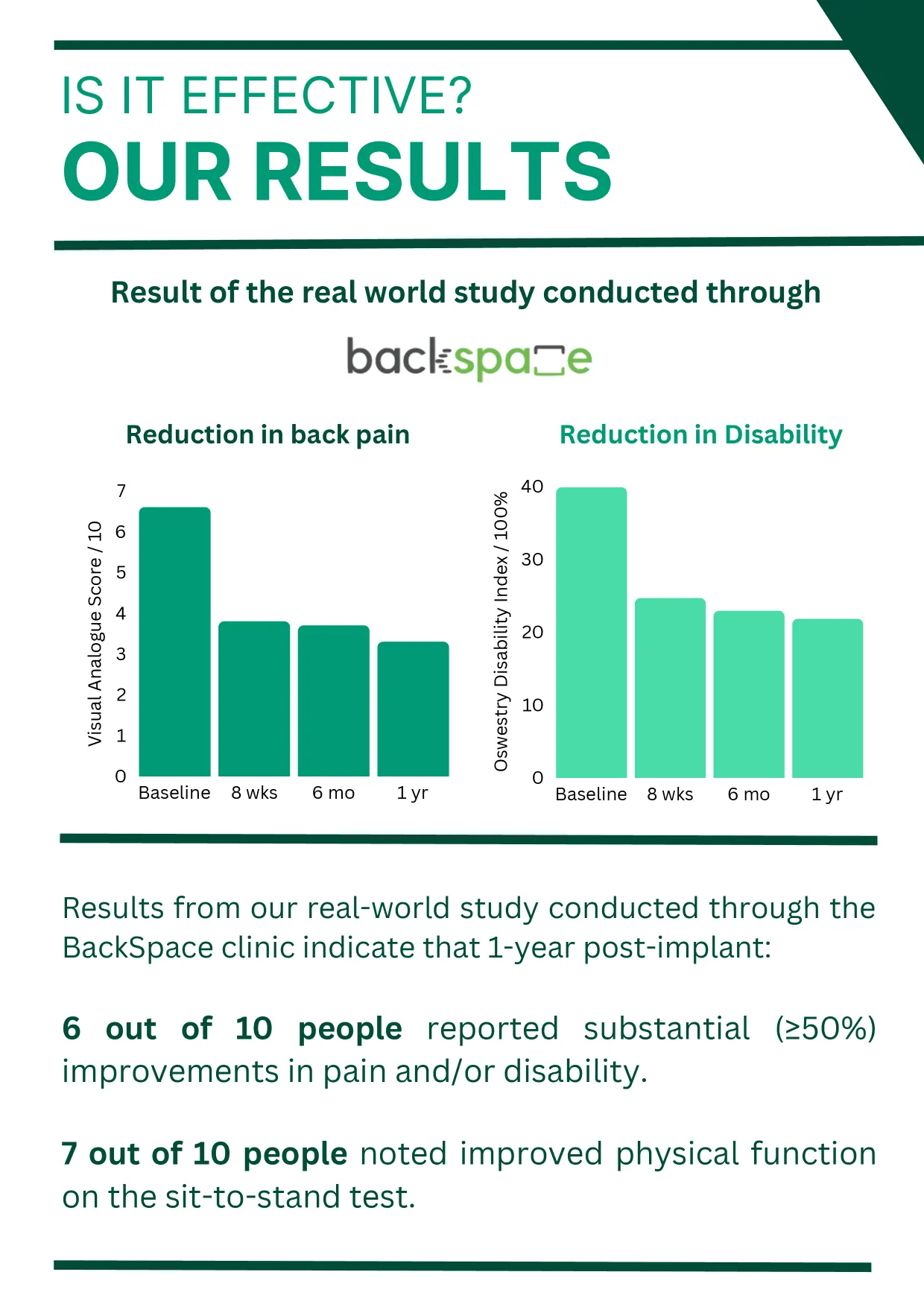
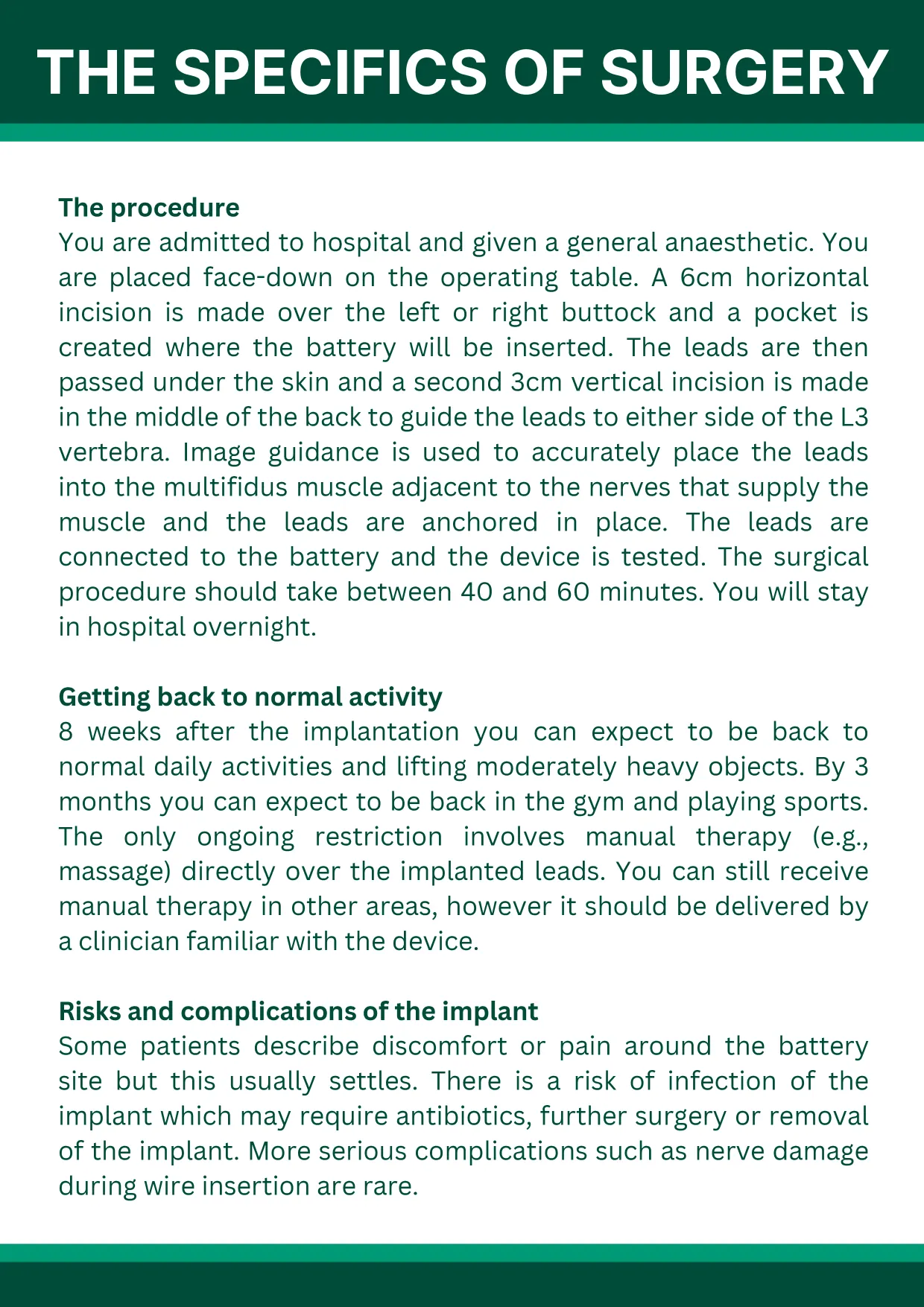
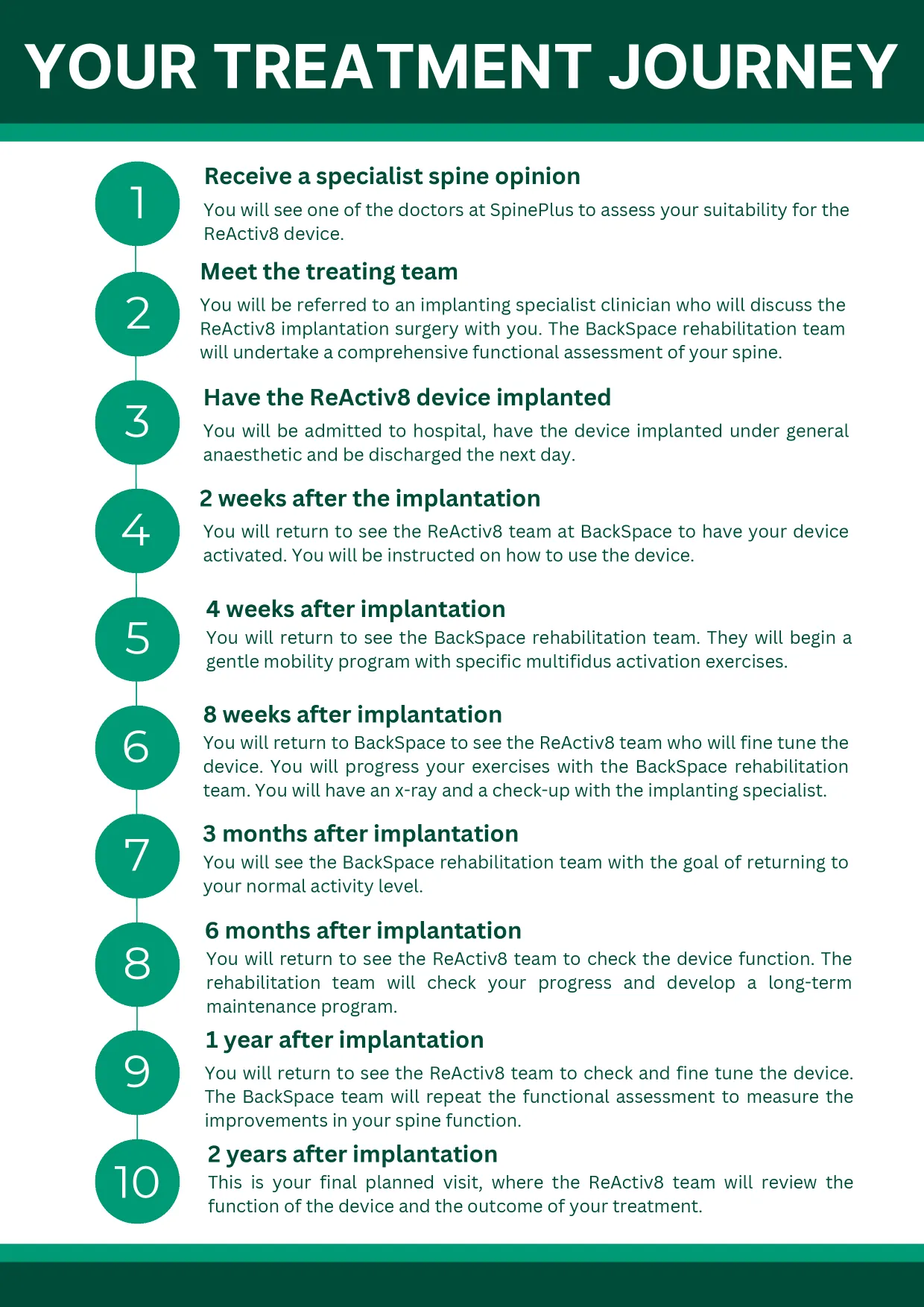
Some people have long-standing low back pain because the small, deep muscles that support the spine (the multifidus) are no longer working properly. For a small number of these people, a newer treatment called ReActiv8 may be suitable. A small device, implanted under the skin, sends gentle electrical pulses to the nerves that control these muscles. This makes the muscles contract, and over time helps retrain them to support the spine.
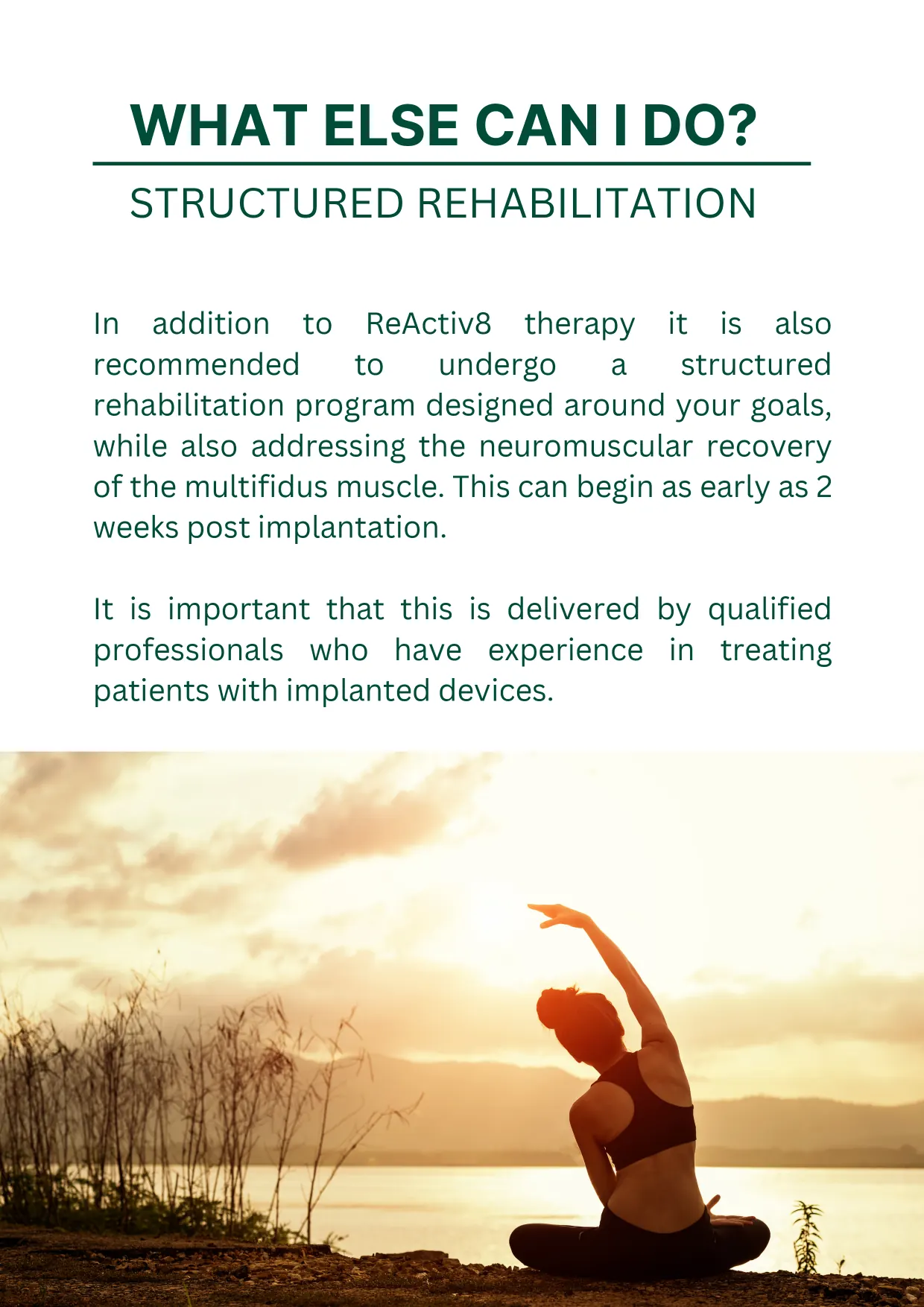
ReActiv8 is not the first treatment we recommend. Most people can get these muscles working again with structured physiotherapy, and we consider ReActiv8 only when this has not worked, and only after careful assessment. Physiotherapy continues after the device is implanted, to give the muscles the best chance to respond.